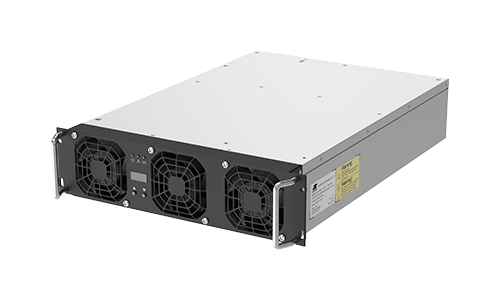
The global transition toward sustainable energy has transformed the electric vehicle from a simple mode of transport into a dynamic mobile energy storage unit. Central to this evolution is the development of advanced bidirectional power conversion technology. By utilizing a sophisticated EV charger module, modern infrastructure can move beyond one-way electricity flow. These systems allow energy to be pulled from the grid to charge a vehicle and, crucially, enable that same energy to be pushed back to power homes or support the utility network. This capability is the foundation of Vehicle-to-Grid (V2G) and Vehicle-to-Home (V2H) applications, turning every parked car into a potential asset for grid stability and energy independence.
The Engineering of Bidirectional EV Charging Modules
A standard unidirectional charger is designed to convert alternating current (AC) from the grid into the direct current (DC) required by a vehicle battery. However, a bidirectional EV charging module incorporates a more complex internal architecture that allows for two-way conversion. This involves the use of high-frequency switching and advanced power electronics, such as Silicon Carbide (SiC) semiconductors, which minimize energy loss during the transition between AC and DC states.
AcePower has established itself at the forefront of this technological shift by integrating full SiC designs into its power solutions. The hardware must manage synchronized communication with the grid while maintaining tight control over voltage and current. These modules are built to handle multiple operational modes, including grid-tied charging and off-grid discharging. By maintaining a wide output voltage range—often spanning from 150Vdc to 1000Vdc—the EV charger module ensures compatibility with a vast array of battery architectures, from standard passenger cars to high-voltage heavy-duty vehicles.
Enhancing Grid Resilience Through V2G Technology
Vehicle-to-Grid (V2G) technology represents a collaborative relationship between electric vehicles and the utility provider. When thousands of vehicles are connected to the network via a bidirectional EV charging module, they function collectively as a “Virtual Power Plant”. This system is particularly valuable during peak demand periods when the grid is under significant stress. Instead of firing up expensive and carbon-intensive “peaker” power plants, the utility can draw small amounts of power from connected EVs to balance the load.
- Peak Shaving: Vehicles discharge energy during high-demand hours, reducing the maximum load on the grid.
- Frequency Regulation: The rapid response time of an EV charging module allows for near-instant adjustments to maintain grid frequency.
- Renewable Integration: Storing excess solar or wind energy during the day and releasing it at night helps solve the intermittency issues of green energy.
AcePower provides dedicated V2G solutions that feature grid-friendly EMI performance and ultra-high efficiency. Their 30kW V2G charging module, for instance, supports grid-tied discharging with a power factor greater than 0.99, ensuring that the energy returned to the network is of the highest quality and does not introduce electrical noise or instability.
Achieving Energy Independence with V2H Systems
While V2G focuses on the public infrastructure, Vehicle-to-Home (V2H) technology is centered on the individual consumer’s ecosystem. In this scenario, the electric vehicle acts as a dedicated home battery. A bidirectional EV charger module allows homeowners to utilize their car’s battery—which often has five to ten times the capacity of a standard wall-mounted home battery—to power household appliances during a blackout or when electricity prices are at their highest.
- Emergency Backup: During a power outage, the system can “island” the home, providing a reliable source of electricity for lights, refrigeration, and medical devices.
- Cost Optimization: Users can charge the vehicle at night when rates are low and use the stored energy to run the home during expensive daytime hours.
- Solar Synergy: Excess energy generated by rooftop solar panels can be stored directly in the vehicle via the EV charging module, maximizing the self-consumption of clean energy.
The technical specifications of the AcePower 30kW V2G module make it an ideal candidate for such applications. With a full-load efficiency of up to 95.5% and a low noise profile of 60dB, it operates effectively within residential environments without causing disruption. The inclusion of full glue-filling technology ensures that the internal components are protected from humidity and dust, extending the operational lifespan.
Technical Superiority of the AcePower Bidirectional Series
The performance of a bidirectional system is only as good as the hardware driving it. Precision in the EV charger module is required to ensure that the battery is not degraded during frequent charging and discharging cycles. High-efficiency conversion is paramount; any energy lost as heat during the bidirectional process represents a financial and environmental cost.
- Thermal Management: The company employs advanced forced air cooling and liquid cooling technologies to maintain optimal temperatures even at high altitudes.
- Precision Control: The modules utilize CAN bus communication for real-time monitoring of voltage and current regulation.
- Broad Connectivity: Support for various charging standards, including CCS and CHAdeMO, ensures that the EV charging module can be integrated into diverse global markets.
By focusing on a compact footprint, AcePower allows for the creation of smaller, more aesthetic charging stations that fit naturally into modern urban landscapes. This modularity also facilitates easy maintenance and scalability for commercial operators who may need to expand their charging capacity over time.
Future Perspectives on Bidirectional Energy Ecosystems
The shift toward bidirectional power design marks a fundamental change in how society perceives energy consumption and storage. As more manufacturers adopt these standards, the requirement for a high-performance EV charger module will only grow. These components are no longer just “chargers”; they are the bridge between the automotive and energy sectors.
AcePower continues to innovate in this space, pushing the boundaries of power density and conversion efficiency. By providing the core technology that enables V2G and V2H, the company is helping to build a more resilient and sustainable energy future. As smart cities and microgrids become more prevalent, the role of the bidirectional EV charging module will be central to managing the complex flow of electricity in a decarbonized world. Through rigorous engineering and a commitment to silicon carbide technology, these advancements ensure that the vehicles of tomorrow are as useful when parked as they are when on the move.
