In the high-stakes world of medical technology, the transition from a laboratory concept to a market-ready product requires a robust network of specialized partners. For procurement leads and R&D directors, a medical device manufacturing show is more than just a gathering of vendors; it is a critical screening ground for long-term collaboration. However, not all exhibitions offer the same depth of technical resources or regulatory alignment.
When evaluating a medical device development and manufacturing expo, the focus must shift from simple product browsing to rigorous capability assessment. In Asia, ITES China has emerged as a premier venue for this level of scrutiny, particularly through its dedicated Medical Supply Chain Ecology Exhibition. Here are the top ten factors to consider when choosing the right platform for your next strategic partnership.
1. Depth of the Upstream Ecosystem
A high-value exhibition must cover the entire lifecycle of a device. Look for events that feature a comprehensive “MedTech ecosystem” rather than just finished machinery. At ITES China, the focus spans from source R&D and raw materials to surface treatment and contract manufacturing, ensuring you can audit every link in your production chain in one location.
2. Presence of ISO 13485 Certified Suppliers
In the medical sector, quality management is non-negotiable. The ideal medical device manufacturing show should attract exhibitors who hold current ISO 13485 certifications. This baseline ensures that any potential partner already operates within the stringent quality frameworks required for global regulatory compliance, significantly reducing your onboarding risk.
3. Precision Machining and Tolerance Capabilities
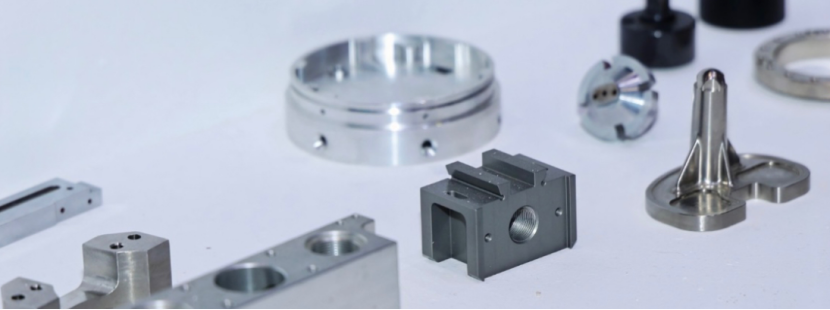
As devices become smaller and more complex, your partners must demonstrate micron-level accuracy. Evaluation should prioritize shows that feature live demonstrations of 5-axis machining and high-precision Swiss-type lathes. At the heart of the ITES China experience is the ability to witness “2-micron precision” in real-time, allowing you to verify that a supplier can handle the tight tolerances required for implants or surgical robotics.
4. Integration of Automation and Robotics
Modern medical manufacturing relies on minimizing human touch to maintain sterility and consistency. A top-tier medical device development and manufacturing expo should showcase modular automation solutions, such as cleanroom-compatible robotic arms and AI-driven vision inspection systems. These technologies are essential for scaling production while maintaining a zero-defect rate.
5. Specialist Material Expertise
Whether your project involves medical-grade titanium, PEEK, or specialized cobalt-chrome alloys, your partners must understand material biocompatibility and fatigue life. Leading exhibitions provide direct access to material scientists and specialized distributors who can advise on the best substrates for specific clinical applications.
6. Regulatory and Technical Support Services
Strategic partnerships often require more than just a machine shop; they require guidance through the “Valley of Death” in product development. Look for expos that include “Integrated Service Areas” where you can consult with experts on clinical trials, patent protection, and international market access (such as NMPA, FDA, or CE marking).
7. Strategic Matchmaking Programs
Your time is a finite resource. A well-organized medical device manufacturing show provides curated matchmaking sessions that connect high-intent buyers with pre-screened suppliers. The matchmaking programs at ITES China are particularly effective, often facilitating billions in procurement value by aligning specific project needs with verified vendor capacities.
8. Proximity to Industrial Clusters
Geography plays a silent but vital role in supply chain resilience. Choosing an expo located within a major manufacturing hub—such as Shenzhen for ITES China—ensures that the exhibitors are backed by a localized infrastructure of secondary processes, such as specialized heat treatment or medical-grade packaging, which can drastically reduce lead times.
9. Focus on High-Growth Technical Segments
The exhibition should mirror the future of medicine. Evaluate shows based on their dedicated zones for emerging fields like:
- In-vitro Diagnostics (IVD) components
- Active implantable devices
- Endoscopic and minimally invasive tools
- Smart wearable health technology
10. Executive-Level Thought Leadership
Finally, a strategic partnership is built on a shared vision. Platforms that host high-level forums, such as the IIA Entrepreneur Summit at ITES China, allow you to engage with the leadership of potential partner firms. These interactions offer insights into a company’s R&D roadmap and its commitment to long-term innovation, which are just as important as its current equipment list.
Navigating the Future of MedTech Collaboration
The decision to enter a partnership is a multi-year commitment that dictates the quality and safety of your final device. By utilizing a specialized medical device development and manufacturing expo as your primary vetting tool, you gain a transparent, data-driven view of a potential partner’s true capabilities.
As you plan for 2026, events like ITES China remain the most effective gateway to the Asian manufacturing landscape. They provide the perfect blend of high-end technology, regulatory expertise, and strategic networking required to transform a complex design into a lifesaving medical reality.
