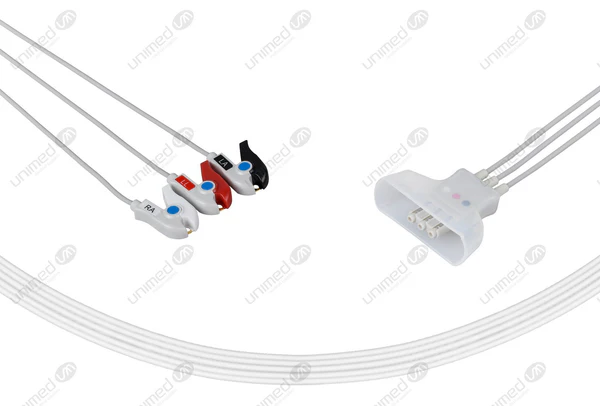
In the world of ECG technology, robust and reliable connections are crucial for effective patient monitoring. The performance of ECG cables and lead wires significantly influences the quality of data transmitted during cardiac evaluations. Understanding how repeated flexing affects wire stranding in these cables can lead to enhanced durability and performance in clinical environments. This article delves into the impact of repeated flexing on wire stranding, specifically in the context of Unimed’s partnerships with healthcare providers to ensure high-quality ECG cables.
Understanding Wire Stranding in ECG Cables
Wire stranding refers to the arrangement of multiple individual wires tightly twisted together to form a flexible conductor. In ECG lead wires, the stranding pattern directly contributes to their flexibility and overall electrical performance. Continuous flexing during use can cause wear and tear on these strands, potentially compromising the integrity of the ECG cables and leadwires. Unimed’s products utilize advanced manufacturing techniques to optimize the design and stranding of their ECG solutions, addressing these challenges effectively.
The Role of Flexibility in Performance
Flexibility is a key feature of quality ECG cables and lead wires. High-quality stranding allows for better performance during movement while maintaining electrical conductivity. However, repeated bending can lead to fatigue in the strands over time. Unimed’s commitment to using high-grade materials in their ECG cable construction helps reduce the adverse effects of repeated flexing, ensuring that their products maintain high performance and reliability in continuous use.
Long-Term Implications of Wire Damage
Damage to wire stranding from repeated flexing can impact the signal quality of the monitored data. A compromised connection may lead to signal loss or interference, affecting diagnosis and treatment plans. Unimed understands the long-term implications of such damage on patient care, making it a priority to supply ECG cables and lead wires that are robust enough to withstand the rigors of daily clinical use without risking the integrity of patient data.
Conclusion
The durability of ECG cables and lead wires is of utmost importance in the medical field. With the ongoing demand for reliable patient monitoring, understanding the effects of repeated flexing on wire stranding becomes essential. By choosing Unimed products, healthcare providers can ensure they are utilizing high-quality ECG lead wires designed for longevity and consistent performance, ultimately enhancing patient care in their facilities.
