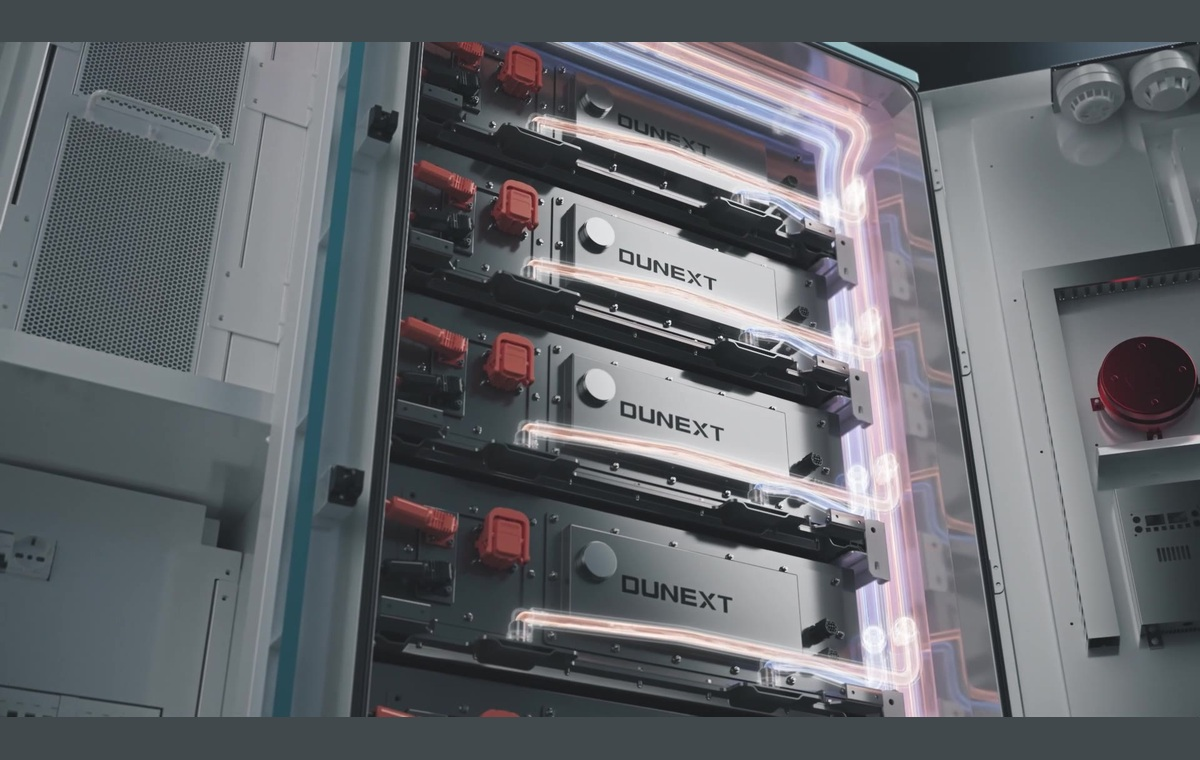
A factory can assemble battery cabinets and still fall short of the engineering discipline required for a professional storage product. The finished system has to combine electrical design, cell selection, liquid cooling, fire protection, control interfaces, installation planning, and repeatable product configuration.
For an overseas project, the phrase energy storage cabinet china is therefore most useful as a sourcing category, not as proof of engineering quality. Factory evaluation is most useful when the product is defined well enough for a buyer to verify what will be delivered and how it is expected to behave in service.
Use Product Definition as the First Factory Filter
Professionalism is easier to verify when the cabinet is described in measurable engineering terms. Capacity, charge and discharge power, cell chemistry, grid voltage, coupling method, and operating model all affect project compatibility. If those values remain vague, it becomes difficult to compare proposals or determine whether an energy storage cabinet suits the intended duty.
Clear specifications also reduce the risk that major design assumptions are discovered only after procurement has begun. They also create a common reference for engineering, purchasing, installation, and commissioning teams, which reduces the chance that each group interprets the same product description differently.
PowerHill-233kWh makes the factory question testable through a finished product from Dunext. Its 0.5C design stores 233 kWh using LiFePO4 280Ah cells. On the AC side, it is rated at 105 kW for charge/discharge and supports 220/380 V or 230/400 V grids.
For an energy storage cabinet china sourcing process, that level of product definition gives the evaluator concrete points to verify instead of relying on general descriptions such as “high efficiency” or “industrial grade.”
Look Beyond Cooling Type to Thermal Performance
Liquid cooling is common language in battery storage, but the presence of a cooling loop does not by itself show how evenly the battery will operate. What matters is the thermal result across the cell population. Temperature differences influence internal resistance, aging rate, usable capacity, and the consistency of charging and discharging.
A factory that understands the complete energy storage cabinet can connect its cooling architecture with a defined thermal-management target.
The thermal specification for PowerHill sets the allowable cell temperature spread at under 2.5°C, with liquid cooling used to hold the battery within that band. That specification gives a more useful view of thermal engineering than the cooling label alone.
In an energy storage cabinet china factory assessment, a measurable temperature-spread target reveals whether design discussion is grounded in real operating conditions instead of stopping at marketing terminology. It provides a basis for technical review and later validation of how the cabinet manages heat.
A factory that can discuss the intended temperature spread is also showing that thermal behavior has been defined as an engineering outcome, with the cooling hardware serving that target.
Study How Safety Is Distributed Across the System
Battery-cabinet safety is not one component placed at the end of the design. Cell behavior, module construction, electrical protection, structural resistance, fire suppression, and system monitoring cover different failure paths. A professional energy storage cabinet design makes the interaction between those layers visible, including what happens when an abnormal condition moves from one level to another.
The objective is to prevent a local problem from becoming a wider system event. Reviewers can therefore examine whether the architecture covers prevention, detection, containment, and monitoring as separate functions instead of assuming that one protective device is sufficient.
Safety evidence appears at six distinct levels in PowerHill. Coverage starts at the cell and module, then extends through electrical and structural design, fire suppression, and cloud monitoring.
The cabinet is further designed around two hours of fire resistance; pressure relief is routed through a top-mounted explosion vent, while aerosol suppression is applied at both PACK and enclosure level.
These are concrete items to examine when comparing an energy storage cabinet china factory because they shift the discussion from a generic safety claim to identifiable protection functions within the product.
Verify Electrical Integration Before Delivery
A cabinet only becomes useful after it is connected to the site’s electrical and operating environment. PowerHill can integrate with DC-coupled photovoltaic arrays or AC-coupled inverters and supports operating models such as peak shaving and grid services.
Those capabilities matter because the energy storage cabinet must fit the project architecture rather than forcing the project to adapt around an inflexible product. Installation planning is equally important when construction time or available site access is limited.
The same review can test whether photovoltaic coupling, grid connection, and the intended operating model have been addressed before the cabinet reaches the project site.
Installation and Maintenance Reveal Deployment Readiness
Installation time is stated at roughly two hours; the cooling-fluid design carries a 10-year replacement-free interval. Such details help distinguish a product that has been considered through deployment and maintenance from one described mainly at component level.
For an energy storage cabinet china factory, that complete path—from defined battery and power specifications to integration, installation, and ongoing operating requirements—becomes the real basis of qualification.
Factory professionalism is ultimately visible in the precision of the product rather than in the location of the production line. PowerHill-233kWh provides an example of the type of evidence that can be reviewed: defined electrical ratings, sub-2.5°C thermal spread, multi-layer protection, photovoltaic integration, and stated installation and maintenance characteristics.
Professional factory qualification therefore depends on evidence that the same engineering intent survives from product definition through installation and maintenance.
