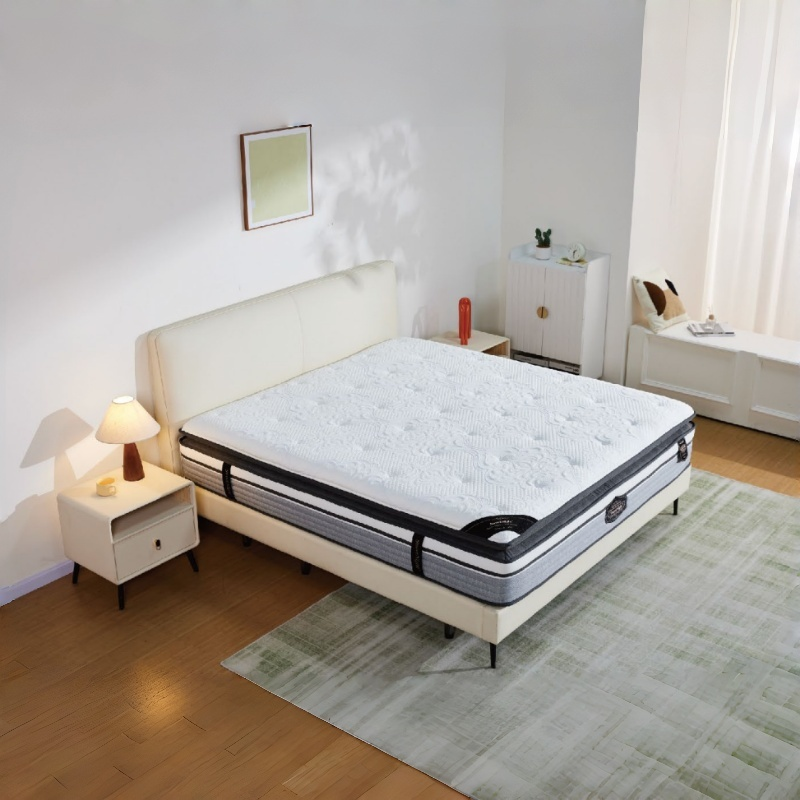
A mattress brand may sell through a furniture showroom, a regional distributor, and an online store at the same time. Each channel handles inventory differently. Showrooms can receive large goods, whereas parcel networks and smaller storage facilities favor manageable cartons. Rolled manufacturing has become attractive because it lets suitable mattress designs travel through more of those routes without changing the finished bed size.
Choosing a compressed mattress manufacturer is a commercial decision as well as a packing decision. A brand must decide which customer groups it serves, how many units each destination receives, and where inventory sits before orders are fulfilled. A carton can make distribution more flexible, but only if the mattress construction, packaging specification, and final presentation remain acceptable.
The Carton Becomes Part of Channel Planning
Online orders frequently move as individual packages rather than truckloads delivered to a store. A rolled mattress can be vacuum-compressed and boxed so it travels through fulfillment centers and residential delivery routes with a smaller footprint. A regional distributor may value the same format for container loading and warehouse placement. Hotel or apartment projects may use cartons to move units through buildings with limited access. These uses share a package format, yet their delivery plans are different.
That distinction matters for box specifications. Carton dimensions, weight, protective materials, labeling, and handling instructions should fit the actual delivery channel. A box that saves container space may still exceed a parcel carrier’s limits. For store replenishment, pallet configuration may matter more than a single carton. Brands therefore need a packed-unit specification alongside the mattress’s finished dimensions.
Rolled packaging also changes inventory decisions. A smaller package can permit more units in a fixed storage area, which is useful when a brand carries several sizes or firmness options. It does not erase the need to forecast demand. If one size dominates sales, storage plans and replenishment schedules should reflect that mix rather than assume each product receives equal space.
Product Identity Still Starts With Construction
A rolled carton does not determine how the mattress feels. Firmness, thickness, foam layers, spring systems, and cover fabrics still shape the finished product. For private-label sellers, those choices distinguish one range from another. The engineering task is to make a selected construction compatible with compression while retaining the intended appearance and comfort after opening.
Suisin Furniture lists OEM and ODM options for firmness, thickness, foam layers, spring systems, fabrics, dimensions, and packaging. Its rolled and boxed mattress offering is presented for importers, wholesalers, regional distributors, online retailers, furniture chains, private-label brands, hotel furniture suppliers, and apartment or hotel projects. Carton design has to reflect where each model travels; even a compressed mattress manufacturer cannot rely on one generic pack for these varied channels.
Sampling is particularly useful where a brand has a defined comfort brief. A sample can be assessed for feel, height, cover appearance, and recovery after unpacking. Packaging samples can be checked separately for carton strength and labeling. Both evaluations are necessary because a mattress that looks right on a showroom floor may still require revisions to travel reliably in its chosen packed form.
Coordinate Production With Distribution
As a brand adds sales channels, the handoff between development, manufacturing, packaging, quality checks, and export becomes more visible. A change in thickness may affect the compressed carton; a change in fabric can alter presentation; a new destination can introduce different labeling or handling needs. Recording those dependencies reduces the chance that a product specification is approved while the distribution specification remains outdated.
Suisin Furniture says its supply covers product development, manufacturing, packaging, quality control, and export support. That scope can be relevant to a brand evaluating a rolled up mattress factory because it gives the buyer one place to reconcile the finished mattress with the shipping unit. The buyer still needs confirmed samples and written specifications for the intended model and route.
Rolled manufacturing can support direct-to-consumer delivery without making every brand an online-only business. The same design may be offered through retail and wholesale channels, while the carton simplifies storage or transport before presentation. The value lies in the ability to plan several distribution paths around a product that remains consistent when unpacked.
Clear unboxing instructions matter for online mattress sales. Customers need space to open the carton and allow recovery; retail partners need descriptions that match the package.
Packaging approval should include more than an external box photograph. The brand can check printed size identification, protection against transit abrasion, and the way each unit is matched to its sales listing. A carton that looks suitable at the factory may still create confusion at a multi-model warehouse if labels are too similar. Distribution compatibility includes the information carried on the package.
For a growing mattress brand evaluating a rolled up mattress factory, the decisive question is how a proposed model reaches each buyer, from factory floor to final bedroom. Carton size, recovery performance, customization, and channel limits belong in that discussion together. A compressed mattress manufacturer earns its place when the packaged format supports the product strategy across the routes the brand actually uses.
