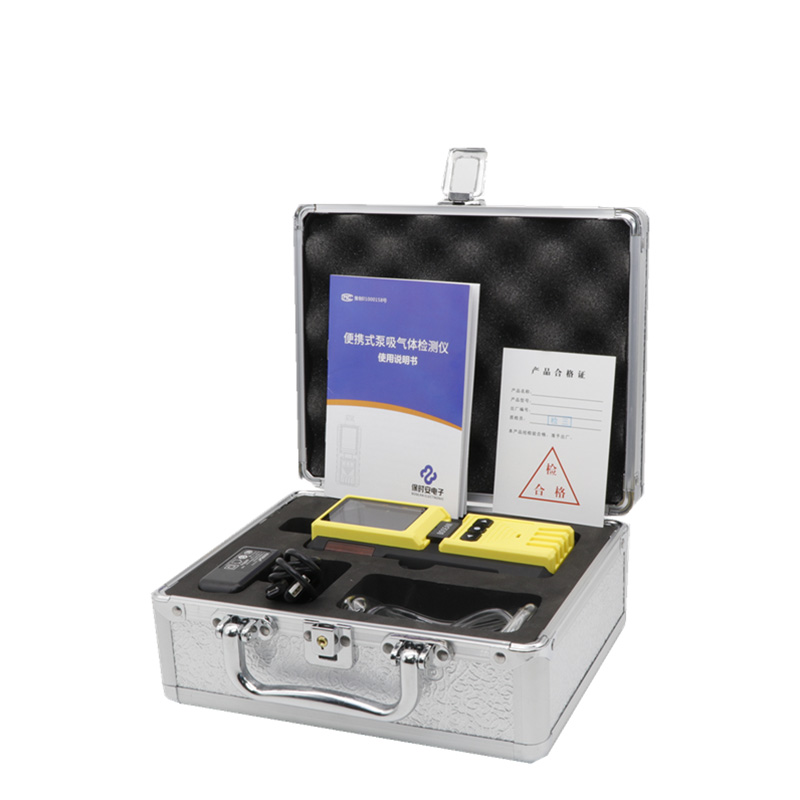
Marine fire safety is strongest when different detection technologies are assigned to the hazards they can actually identify. A flame detector looks for radiation associated with fire, while a Gas Detector measures atmospheric conditions that may indicate toxic exposure, oxygen deficiency, or combustible gas hazards. For safety managers, understanding the distinction helps create a layered monitoring strategy.
Why Flame and Gas Detection Serve Different Purposes
Flame detection is designed to identify an established or developing fire by sensing radiation associated with flames. Depending on the technology, this may involve ultraviolet, infrared, or combined sensing. Its value is greatest where a fire could develop rapidly or visual observation is difficult.
Gas detection addresses a different stage of risk. A Gas Detector can identify hazardous atmospheric conditions before a fire occurs or before personnel are exposed to dangerous concentrations. This makes gas monitoring relevant around fuel systems, enclosed spaces, cargo areas, batteries, and other locations where gases can accumulate.
The technologies should therefore not be treated as substitutes. Flame detection responds to combustion, while gas monitoring can indicate leakage or atmospheric deterioration before ignition.
What Flame Detection Can and Cannot Tell Crews
A flame detector can provide rapid warning when its field of view contains a detectable flame signature, supporting automatic alarms and fire-response actions. However, it generally cannot tell crews whether an enclosed space contains oxygen deficiency, hydrogen sulfide, carbon monoxide, or combustible gas that has not ignited.
Installation also matters. Obstructions, viewing angles, environmental conditions, and fire characteristics can affect detection performance. Systems should therefore be designed, installed, tested, and maintained according to applicable requirements.
The IMO’s fire-safety framework includes requirements for fixed fire detection and fire alarm systems, with engineering and installation provisions under the FSS Code.
Where Gas Detection Becomes Essential
Gas monitoring becomes especially important when a vessel handles fuels, cargoes, chemicals, or processes that can release hazardous gases. Enclosed spaces create another concern because oxygen levels can change and toxic or flammable substances may accumulate without visible warning.
SOLAS regulation XI-1/7 requires ships to carry appropriate portable atmosphere-testing instruments for enclosed spaces. At minimum, the instruments must measure oxygen, flammable gases or vapors, hydrogen sulfide, and carbon monoxide before entry. The IMO also states that enclosed spaces should be identified on a ship-by-ship basis.
For ships using gaseous or low-flashpoint fuels, gas detection can form part of the engineered safety system. The IMO IGF Code includes gas-detection provisions for relevant fuel systems and enclosed arrangements. This shows why monitoring should be connected to the vessel’s fuel type, layout, and risk assessment.
Using Portable Gas Detection as a Flexible Layer
Portable monitoring allows crews to take atmospheric measurements wherever work is occurring. A Gas Detector can support inspections, maintenance activities, confined-space assessments, and other tasks that move around the vessel.
A marine multi-gas instrument can reduce the need to carry several devices when one configured unit measures the required gases. The key consideration is whether its sensors match identified hazards.
For operators evaluating portable equipment, the K-600 Marine 5 in 1 Multi Gas Detector is configured to monitor carbon monoxide, hydrogen sulfide, oxygen, carbon dioxide, and methane. The manufacturer specifies gas-pump sampling, accuracy of ≤±5% F.S., response time of ≤30 seconds, and LCD, LED, audio, and vibration indications.
The Bosean‘s K-600 is specified for −20°C to 50°C and less than 95% RH without dew. It uses a 3.7 V, 3200 mAh lithium-ion battery, with 6 to 8 hours charging time and at least 8 hours of continuous operation. It is rated IP65 and Ex ib IIC T4 Gb, and weighs approximately 400 g with its battery.
These specifications should be evaluated against the vessel’s environment and risk assessment. Sensor configuration, measuring ranges, calibration requirements, sampling accessories, and certification should be confirmed before procurement.
Designing a Layered Marine Detection Strategy
A safer system begins by mapping hazards to detection methods. Fixed flame or fire detection can provide continuous coverage in designated spaces, while portable gas monitoring can accompany personnel during inspections and hazardous tasks. Fixed gas detection may also suit locations where a known leak source requires continuous monitoring.
The objective is not to install every technology everywhere. Operators should identify credible scenarios and determine what information is needed to prevent escalation. A fuel leak, for example, may require gas monitoring before ignition, while a confirmed fire demands rapid fire detection and response.
Alarm management is equally important. Crew members should understand which alarm has activated, where it originated, and what response procedure applies. Detection equipment works best when alarms connect to clear responsibilities, communication methods, ventilation controls, shutdown systems, evacuation procedures, and emergency drills.
Maintenance and Verification Matter
Detection performance depends on equipment condition as much as technology selection. Flame detectors require appropriate inspection and testing, while gas instruments require calibration and functional checks according to manufacturer instructions and vessel procedures. Batteries, sensors, sampling lines, filters, and accessories should also remain serviceable.
Records can help safety managers identify recurring alarms, maintenance issues, or changes in operational risk. Training ensures crew members can interpret readings and respond correctly.
About Bosean Tech
Bosean Tech specializes in industrial safety, environmental monitoring, and professional measurement. Its portfolio includes portable gas detectors, fixed gas detection systems, sensors, laser rangefinders, and radiation detection equipment, supporting smart mining, smart gas, smart cities, smart industrial parks, energy storage safety, and smart environmental protection.
Its guiding principle, “Precision for Safety, Accuracy for Performance,” emphasizes reliable measurement, product precision, and an understanding of customers’ safety and efficiency requirements. For marine operators comparing atmospheric monitoring options, “Contact Us” to discuss the appropriate gas detection approach for the vessel, work environment, and identified hazards.
