Launching a candy brand takes more than choosing an appealing flavor or shape. Buyers also need to assess consistency, packaging, compliance, production capacity, and local retail habits. These details are easy to overlook when samples look promising. For businesses working with HAPI or another supplier, a structured sourcing process can reduce costly revisions and make future growth easier to manage.
Start With Product-Market Fit, not a Catalog
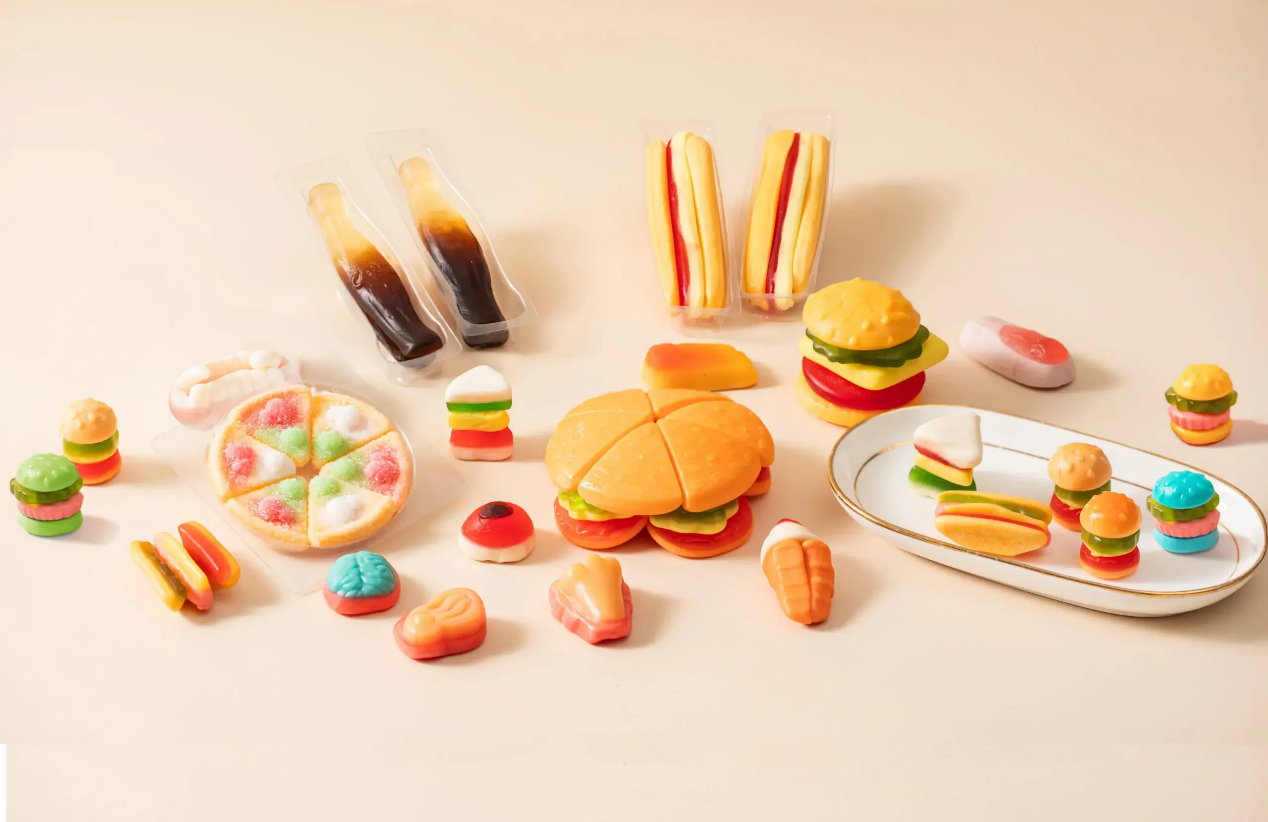
A large catalog can inspire ideas, but it does not automatically identify the right product. Before requesting quotations, define the target consumer, retail price, sales channel, and role of the candy in the range. A novelty gummy shaped like a burger or hot dog may suit impulse-purchase settings, while fruit gummies in familiar shapes may work for an everyday assortment. Seasonal lines can also attract attention, but preferred themes vary by country.
A private label gummy manufacturer should discuss shape, flavor, texture, portion size, and packaging as connected decisions. Prepare a brief covering target weight, flavor direction, desired chew, color preferences, pack format, and destination-market restrictions. Keeping this brief stable makes supplier proposals easier to compare.
Look Beyond the Sample
Samples help buyers assess flavor, texture, appearance, and first impressions, but they reveal only part of a factory’s performance. Ask how the supplier controls batch variation, maintains production records, handles nonconforming goods, and checks products before shipment. A sample prepared specifically for evaluation may not represent every detail of a routine production run.
Request written specifications and agree on acceptance criteria before placing a large order. These may cover dimensions, unit weight, color, packaging integrity, shelf-life information, and the process for approving changes. Also check which quality documents and certifications apply to the actual production site and product category. A general quality statement or certificate image should not be assumed to cover every product. Clear documentation gives both parties a reference if a batch is disputed.
Treat Customization as a Joint Development Process
A distinctive shape or package needs time for development, review, and approval. Customization may involve mold feasibility, color choices, product stability, artwork, print specifications, and suitability for shipping and displaying. Late changes can require new samples or production adjustments, affecting both cost and schedule.
When evaluating private label candy options, ask which elements can be customized and which depend on existing molds, materials, or minimum quantities. Share reference images and local-market requirements, then approve the final design through a sample or specification sheet. Clarify who owns custom artwork or mold designs, whether setup charges apply, and how revisions are handled. Good private label candy planning makes a product distinctive without leaving key decisions unresolved until production.
Check Capacity, Minimums, and Lead Times Together
A low order can help a startup test demand, but the first order should not be assessed alone. Ask whether minimum quantities differ between stock and customized products, and whether they apply per item, flavor, packaging format, or shipment. Compare sample development, artwork approval, production, booking, and transit time; quoted manufacturing time may not include every stage.
Capacity also needs context. A factory may have substantial total output, yet a specific shape or package can become a bottleneck. HAPI’s company profile states that its Vietnam facility uses automated gummy equipment and can produce up to 30 metric tons of pectin gummies per day. A private label gummy manufacturer should treat published capacity as a starting point, then confirm current availability, line suitability, and delivery windows for the proposed order. Forecast seasonal peaks early rather than waiting until stock is nearly depleted.
Packaging and Market Requirements Early
Packaging is both a branding tool and a functional part of the product. Check whether it protects gummies from moisture and handling, displays the correct net weight, and fits the intended shelf format. Carton dimensions, units per carton, pallet configuration, barcode placement, and outer-case markings can also affect warehouse handling and freight costs. Confirm these details before artwork is finalized.
Destination-market rules need early attention too. Ingredient and allergen declarations, language, nutrition panels, permitted colorants, and importer details depend on the country and product. Buyers should verify local obligations while asking suppliers for accurate specifications and supporting documents. Products sold in several countries may need separate label versions; one package should not be assumed suitable everywhere. Before placing an order, evaluate partners such as HAPI against the exact product, labeling, and operational requirements rather than relying on broad capability statements alone.
Compare the Full Cost, Not Just the Unit Price
Quotes are comparable only when their assumptions are clear. Check whether pricing includes molds, printing plates, packaging, testing, samples, cartons, inspection, and delivery terms. Currency, payment milestones, quote validity, and the handling of material changes can affect the final landed cost. A low unit price may not be economical if it leads to waste, unclear specifications, or repeated artwork revisions.
For private label candy programs, compare landed cost alongside quality, communication, flexibility, and replenishment capability. Ask each supplier to quote against the same brief and list exclusions in writing. Confirm the final commercial terms and production details against the intended order, including any customized elements that could affect cost or timing.
Build a Partnership That Can Scale
A first order tests more than consumer appeal. It also shows whether a supplier answers clearly, flags risk early, documents approvals, and responds constructively to adjustments. Keep approved samples and artwork, record agreed specifications and review the first shipment against expectations.
Careful sourcing is not about finding a supplier that promises everything; it is about choosing one that can explain its capabilities, limitations, and process. A clear brief, documented quality standards, realistic forecast, and early packaging review help new brands build a reliable range and prepare for repeat orders.
