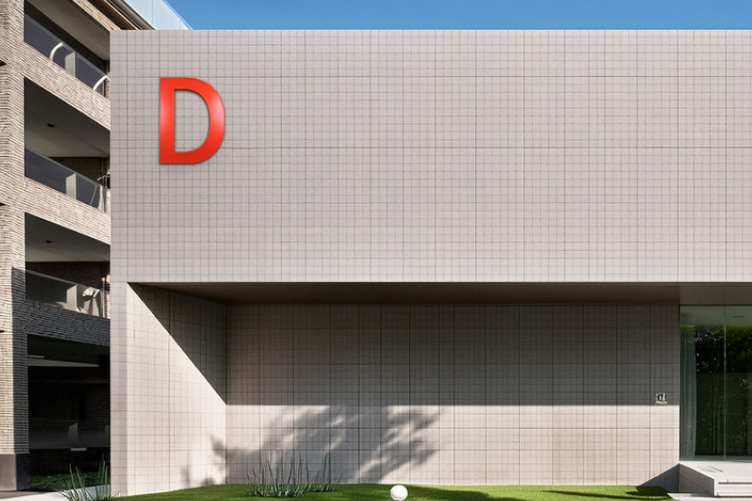
Building signage plays a practical role in helping people identify commercial properties, locate entrances, and recognise businesses from a distance. On high-rise buildings and large commercial developments, sign placement also introduces structural, installation, maintenance, and visibility considerations. Effective planning requires more than selecting a design that matches a company’s visual identity. Property owners, architects, project managers, and signage suppliers must consider the building’s structure, environmental exposure, viewing angles, and long-term operating requirements. At COSUN SIGN, they approach sky signage as a coordinated design and engineering task, where visual communication must work alongside installation safety and building requirements.
Planning Signage Around Building Structure and Exposure
Signs installed above street level face different conditions from those mounted near pedestrian entrances. Wind exposure, mounting height, building materials, and the geometry of the façade can all influence the design and installation method. These factors should be evaluated before the sign dimensions, support system, and mounting locations are finalised.
For sky signage projects, the building’s structural characteristics provide an essential starting point. Design teams need to understand the available fixing points, the condition of the installation surface, and the loads transferred through brackets or supporting frames. Where necessary, qualified structural professionals should assess the proposed installation against applicable building codes and local requirements.
The surrounding environment also deserves attention. Coastal conditions, temperature changes, rain, and airborne pollutants may affect material selection and component durability. Rather than relying on general assumptions, project teams should match materials, finishes, and protective measures to the actual site conditions. This approach helps reduce avoidable maintenance and supports more consistent performance over the sign’s service life.
Making Installation Safety Part of the Design
Installation safety should influence signage decisions from the earliest planning stage. A design that looks suitable in a rendering may create difficulties if installers cannot access the mounting area safely or if maintenance requires complicated work at height. Access arrangements, lifting procedures, installation sequences, and equipment requirements therefore need to be considered before production begins.
Project teams should establish responsibilities among the building owner, signage supplier, structural consultant, and installation contractor. Drawings should clearly identify mounting locations, connection details, electrical interfaces where applicable, and relevant installation requirements. These documents help different parties coordinate their work and identify conflicts before equipment reaches the site.
For elevated installations, workers must follow applicable fall-protection rules and use appropriate access equipment and lifting methods. The installation plan should also address exclusion zones and pedestrian protection below the work area. By treating safety as a design requirement rather than a final inspection item, businesses can make installation activities more predictable and reduce the likelihood of costly changes.
Balancing Visibility With Architectural Integration
High-level signage must remain legible at its intended viewing distance without overwhelming the building’s architectural design. Letter proportions, spacing, contrast, illumination, and viewing direction all influence whether a sign can be recognised clearly. Designers should assess the building from relevant streets, approaches, and pedestrian areas rather than judging visibility solely from a close-up drawing.
Sky signage also needs to fit the visual character of the property. Sign dimensions, colours, materials, and mounting arrangements should respond to the façade and surrounding urban environment. Local planning rules may restrict sign height, illumination, placement, or overall dimensions, so these requirements should be reviewed before the design is approved.
Illumination introduces further considerations. Brightness should support legibility under expected viewing conditions without creating unnecessary glare or disturbance. Energy consumption, electrical access, weather protection, and future component replacement should also inform decisions. When these factors are evaluated together, signage can serve its communication purpose while remaining compatible with the building and its surroundings.
Applying Digital Features With Practical Controls
Digital displays can provide changing messages, directional information, and time-sensitive content where the building’s purpose and operating conditions justify their use. However, introducing digital technology also creates additional requirements for power, connectivity, content management, maintenance, and environmental protection. These requirements should be assessed against the intended application rather than assuming that every elevated sign benefits from a digital format.
Smart digital signage is most useful when its functions address a defined communication need. Commercial properties may use managed content to update tenant information, display announcements, or coordinate messages across multiple locations. Project teams should establish who controls the content, how updates are authorised, and what happens if the display or network becomes unavailable.
Outdoor digital equipment must also be selected for its installation environment. Weather resistance, thermal management, electrical safety, service access, and suitable mounting provisions all require attention. Where displays connect to remote management systems, access permissions and cybersecurity practices should form part of the operating plan. Clear procedures help keep the technology manageable after the initial installation is complete.
Establishing a Maintenance Plan Before Handover
Long-term performance depends on more than manufacturing quality. Owners need to know how the signage system should be inspected, cleaned, serviced, and repaired. Elevated signs can be particularly difficult to access, so maintenance requirements should be considered while the design and mounting system are still being developed.
A handover package should include relevant drawings, installation records, electrical information where applicable, component documentation, and maintenance instructions. Inspection schedules should reflect the sign’s construction, environmental exposure, accessibility, and applicable regulations. Any observed deterioration, loose connections, water ingress, or lighting faults should be assessed and addressed by qualified personnel.
Digital systems require additional checks of software access, content controls, connectivity, and display performance. Assigning responsibility for these tasks prevents maintenance from becoming an informal activity that begins only after a problem occurs. A documented process also gives property managers a clearer basis for planning service work and managing the sign throughout its operating life.
Building Reliable Signage With COSUN SIGN
Successful building signage brings together architectural coordination, structural assessment, safe installation, clear visibility, and practical maintenance. Digital features can extend communication capabilities when they suit the property’s needs, but technology should support a defined purpose rather than complicate the system unnecessarily. Each project should be developed around its site conditions, intended audience, operational demands, and applicable requirements.
COSUN SIGN provides sky signage solutions for commercial and architectural applications, with project planning centred on the relationship between design, installation, and intended use. By considering the building environment and practical requirements early, project stakeholders can make better-informed decisions about sign configuration and implementation. A disciplined approach helps businesses create signage that communicates clearly while giving safety, serviceability, and long-term operation the attention they require.
