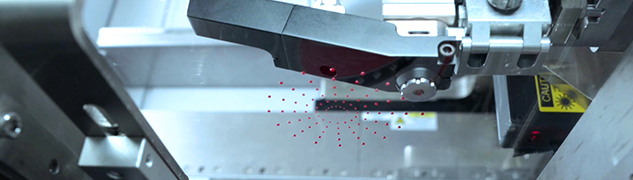
Selecting the right dispensing method affects more than application speed; it also influences component safety, material placement, and process consistency. Dispensing valve systems can use contact-based methods, in which the dispensing tip physically touches the target surface, or non-contact methods, in which material is deposited without direct contact between the dispensing tip and the component.
The appropriate method depends on fluid behavior, component geometry, assembly tolerances, and production requirements. Axxonauto operates in the precision fluid dispensing field, where understanding these differences helps manufacturers assess suitable approaches for electronic assembly.
How Contact Dispensing Works in Electronics Manufacturing
Contact dispensing applies fluid through a dispensing tip that physically contacts the target surface during material deposition. Depending on the equipment and material, the process may involve direct surface contact, controlled needle movement, or pressure-assisted delivery. This approach gives operators a familiar way to apply adhesives, sealants, and other functional materials to defined locations.
One advantage is the ability to maintain a consistent relationship between the dispensing tip and the substrate. For relatively flat surfaces and accessible bonding areas, a stable working distance can help control bead placement. The method is particularly useful when a continuous line of adhesive is required rather than a series of separate droplets.
However, the nozzle’s physical proximity introduces limitations. Fragile components, uneven surfaces, and densely populated circuit boards can make access difficult. Contact may also disturb a previously deposited bead or transfer residue to the nozzle, especially when material begins to cure or accumulates around the tip.
Where Non-Contact Dispensing Offers an Advantage
Non-contact dispensing releases material onto the target without requiring the nozzle to touch the component. Jetting mechanisms typically use a rapid valve action to form individual droplets, allowing the dispensing head to remain above the workpiece. This arrangement is valuable when assemblies contain delicate parts, narrow gaps, or complex surface profiles.
The absence of direct nozzle contact can reduce the risk of mechanical disturbance and simplify access to certain application points. It can reduce the need for repeated nozzle contact and retraction movements between deposits, although overall throughput still depends on jetting frequency, positioning speed, and material behavior. Actual throughput, however, depends on droplet frequency, travel distance, material properties, and the accuracy of the positioning system.
Non-contact methods have their own process constraints. Highly viscous fluids, inconsistent material temperature, trapped air, or unsuitable jetting parameters can produce irregular droplets and splashing. Engineers need to evaluate the fluid’s rheology alongside nozzle design, pressure, temperature, and pulse settings. A stable jetting process depends on the interaction of these factors rather than the dispensing mechanism alone.
| Aspect | Contact dispensing | Non-contact dispensing |
| Nozzle contact | Touches or stays very close to surface | Nozzle stays above the workpiece |
| Best suited for | Continuous beads, accessible surfaces | Delicate parts, dense layouts, repeated dots |
How to Compare Accuracy, Material Control, and Application Needs?
Accuracy is not determined solely by whether a nozzle touches the substrate. Contact methods can provide dependable bead placement when the surface is accessible and the working distance remains stable. Jetting methods can deposit small quantities at precise locations, but their results depend on droplet formation, flight behavior, and the calibration of the motion system.
Material consumption also varies with the application. Continuous contact dispensing may suit long bonding paths, while discrete jetting can be useful for repeated deposits at many individual points. Neither approach automatically uses less material: bead dimensions, dispensing volume, fluid waste, and rework rates all affect actual consumption.
A practical comparison should include the component layout, production volume, adhesive characteristics, maintenance requirements, and acceptable defect rate. For example, SMT applications such as component bonding and edge bonding require controlled adhesive placement, while semiconductor underfill processes involve filling narrow gaps beneath components. Small-scale trials using the actual material and representative assemblies can reveal whether contact or non-contact application offers more stable results.
The APJ1500 Piezo Jetting Valve from Axxonauto is one example of a non-contact solution intended for applications such as underfill, dam and fill, hot melt, pin encapsulation, precision coating, and corner or edge bonding. Its relevance depends on the material and process requirements of the application; equipment specifications should be assessed alongside trials that measure deposit consistency, placement accuracy, and production performance.
Conclusion
The distinction between contact and non-contact dispensing is ultimately a question of how material must reach the component under real production conditions. Contact methods remain useful for accessible surfaces and continuous beads, while jetting can offer practical advantages for delicate assemblies and repeated point deposits.
Before selecting glue dispensing systems, manufacturers should evaluate fluid compatibility, component clearance, deposit geometry, maintenance needs, and measured cycle time. With a process-based assessment, Axxonauto can be considered within a broader evaluation of precision dispensing technologies suited to electronic assembly requirements.
FAQs
What Is the Main Difference Between Contact and Non-Contact Dispensing?
Contact dispensing applies material through a nozzle that touches or works very close to the surface. Non-contact dispensing deposits fluid from a distance, often by ejecting droplets through a jetting mechanism.
Is Non-Contact Dispensing Always Faster?
No. Jetting can reduce the time spent touching down and retracting between deposits, but total speed depends on droplet frequency, motion paths, material behavior, and inspection requirements.
Which Method Is Better for Fragile Electronic Components?
Non-contact application can reduce the risk of mechanical disturbance because the nozzle does not touch the component. The final choice still depends on the fluid, target geometry, and required deposit quality.
How Can Manufacturers Select Suitable Dispensing Valve Systems?
Manufacturers should compare material viscosity, target dimensions, component spacing, deposit volume, throughput, and maintenance requirements. Testing both methods on representative assemblies provides more reliable evidence than evaluating equipment specifications alone.
