For manufacturers of adhesives, coatings, and inks, a stable raw-material supply chain is an important foundation for long-term production planning. Resin performance depends not only on formulation technology but also on the consistency, availability, and traceability of upstream materials.
As industries continue exploring renewable raw materials, pine chemicals provide a valuable resource base for producing rosin-derived materials. These materials support the development of different resin systems used in industrial formulations, including adhesives, coatings, inks, and other applications. KOMO will participate in CHINACOAT 2026, held from November 11th to 13th, 2026.
Why Raw Material Stability Matters for Resin Users
For industrial buyers, choosing a resin supplier involves more than reviewing technical specifications. Consistent raw-material availability, stable production processes, and reliable quality documentation are also important considerations.
A resin formulation may go through long qualification cycles before entering commercial production. Once a material is approved, unexpected changes in raw-material quality or supply continuity can create challenges for manufacturers.
This is especially important for companies using rosin resin as a formulation component. Consistent resin properties help formulators maintain established processing conditions and reduce the need for repeated qualification.
Pine Chemicals as the Foundation of Rosin-Derived Materials
Pine chemicals originate from pine-based resources and include materials such as gum rosin and related derivatives. Through refining and chemical modification, these materials can be developed into different resin grades with specific characteristics.
Rosin can be modified through processes such as esterification, hydrogenation, and other chemical treatments. These modifications influence properties including softening point, color, compatibility, solubility, and stability, allowing formulators to select materials according to application requirements.
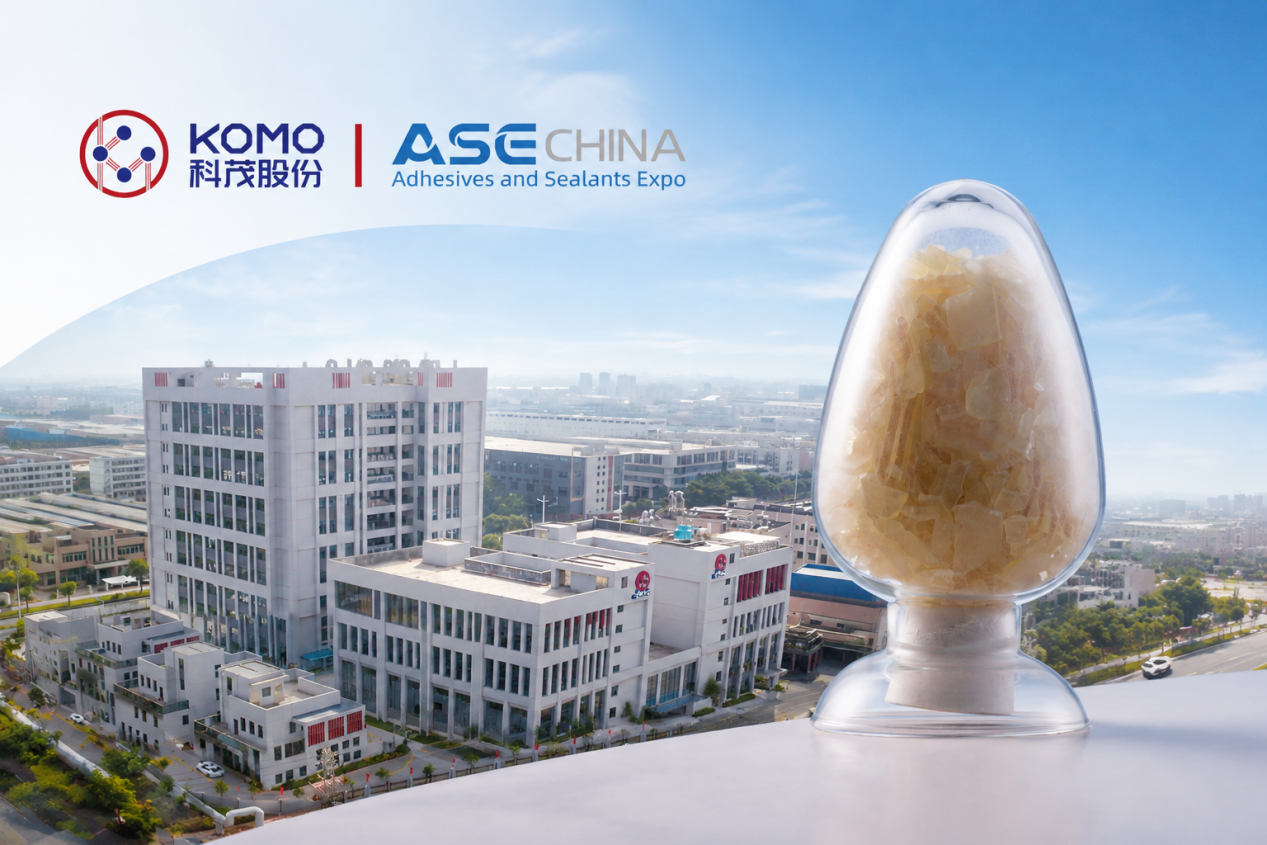
KOMO focuses on pine-chemical products and provides rosin-derived materials for industrial customers. Its product portfolio includes rosin esters, modified rosin products, electronic-grade rosin materials, biodegradable tackifying resins, and other specialty resin solutions. (komotac.com)
How Supply Chain Control Supports Resin Consistency
For resin manufacturers and industrial formulators, supply-chain management begins with raw-material control. Understanding the origin and processing of pine-based resources helps suppliers maintain more consistent product characteristics.
KOMO has developed capabilities covering pine cultivation, rosin processing, research, and production. This structure supports communication between raw-material sourcing and resin manufacturing stages, helping customers better understand product specifications and supply conditions.
A stable supply system also benefits formulation development. When customers evaluate a new rosin resin, predictable material characteristics make it easier to compare performance, optimize formulations, and establish long-term cooperation.
Specification Consistency Helps Formulation Development
Different industrial applications require different resin properties. Adhesive manufacturers may focus on tack, compatibility, and processing behavior, while coating and ink producers may prioritize hardness, gloss, solubility, or film properties.
For this reason, resin selection depends on more than product category. Parameters such as softening point, acid value, color, viscosity, and compatibility help formulators identify suitable grades for specific systems.
A stable supply chain supports this process by ensuring that qualified materials continue to meet expected specifications after commercial production begins.
Supporting Adhesives, Coatings, and Ink Applications
Pine-derived resins serve as important raw materials across multiple industrial sectors. Depending on their chemical structure and modification method, rosin-based materials can support applications including hot-melt adhesives, pressure-sensitive adhesives, coatings, printing inks, rubber-related formulations, and electronic materials.
KOMO supplies resin ingredients rather than finished adhesive or coating products. Its role is to provide upstream materials that help manufacturers develop their own formulations.
At CHINACOAT 2026, visitors can discuss resin-selection requirements for different application areas, including how modified rosin materials can support specific formulation objectives.
Renewable Materials and Supply Reliability
The interest in bio-based materials continues to grow as manufacturers evaluate alternatives to traditional petroleum-derived resources. Pine chemicals provide a renewable pathway because they are derived from natural pine resources.
However, renewable origin alone does not determine industrial suitability. A successful raw material must also provide consistent quality, appropriate processing characteristics, and dependable supply.
For industrial users, the combination of renewable sourcing and stable production capability is an important factor when evaluating future resin supply strategies.
Meet KOMO at CHINACOAT 2026
CHINACOAT 2026 provides a professional platform for coatings, inks, and adhesives industries to exchange technologies, explore materials, and connect with suppliers. The 2026 exhibition will take place in Guangzhou from November 11–13 at the China Import and Export Fair Complex.
At Booth No. 5.2 C47, KOMO will introduce its pine-chemical materials and discuss how different resin solutions can support industrial formulation needs.
For companies searching for KOMO, the focus is not only on individual products but also on the reliability of the overall resin supply system. Stable raw materials, controlled production processes, and clear technical communication all contribute to more predictable formulation development.
Building More Reliable Resin Supply Chains With Pine Chemicals
A reliable resin supply chain depends on cooperation between raw-material suppliers and industrial manufacturers. For companies using pine chemicals and rosin resin, understanding the connection between resource availability, chemical modification, and product consistency can support better material decisions.
Through its pine-chemical expertise and resin manufacturing capabilities, KOMO supports customers looking for dependable raw materials for adhesives, coatings, inks, and other industrial applications.
At CHINACOAT 2026 Booth 5.2 C47, industry professionals can explore how pine-derived materials contribute to more stable resin sourcing and long-term formulation planning.
